


So when my back and my leg are better, I venture out to Kip’s and Eva’s classes to see if my initial impressions stick. And they do—mostly. I try the Beginner level at Koresh again, and find most of the floor work too challenging. It’s nice to watch the experienced dancers, but I want to dance! That’s what I paid for, so I try Eva’s Intro to Ballet ( the most basic level ) This class is a bit slower and I can do almost everything. With less experienced dancers in the room I observe more of Eva’s sweet and gentle personality. She is a beautiful dancer and when she demonstrates for the floor work, I feel like I’ve watched a professional performance. Unfortunately, I still have trouble understanding her explanations for the barre work. Lucky for me I have some knowledge of the dance. I can’t imagine what it would be like to walk into that class with no knowledge at all.
Back at Kip’s studio, I am sinking more into comfort. He shares that he started the school with the older adult in mind. “They are often overlooked,” he muses. I relate. There are a few more potatoes in this room, so I’m not alone with my alternative ballet body. And the way he teaches creates a richer experience beyond just the steps. His corrections are detailed and display a vast knowledge of anatomy. He shares ballet history and philosophy, which deepens our connection to the dance. He cares about us and wants us to get it right. Form, attitude, expression, and art. There are moments when everything is perfect and I’m dancing. I relax and feel the meditation in the movement.
I decide to stick with Kip.
In my first class, he had asked me where I studied. For some years (my early 20’s) I studied at the André Eglevsky School of ballet in Massapequa. This was a serious classical school and I loved it. Kip knew all about Eglevsky, but I really didn’t know much about him. I had never had him as a teacher although I had his wife, Leda Anchutina. When I did some research on him, I saw that he partnered with Maria Tallchief, the first American Indian ballerina, who was married to the famous choreographer Balanchine for some years. Somehow, this led me he poetry of of Elise Paschen, Maria Tallchief’s daughter, who writes about her famous mother. In her book Bestiary, there’s a poem “The Broken Swan” written about Tallchief’s musings on her death bed. And one story she tells is about how Eglevsky drank sake in Japan before their performance of Swan Lake and dropped her during one of their numbers.
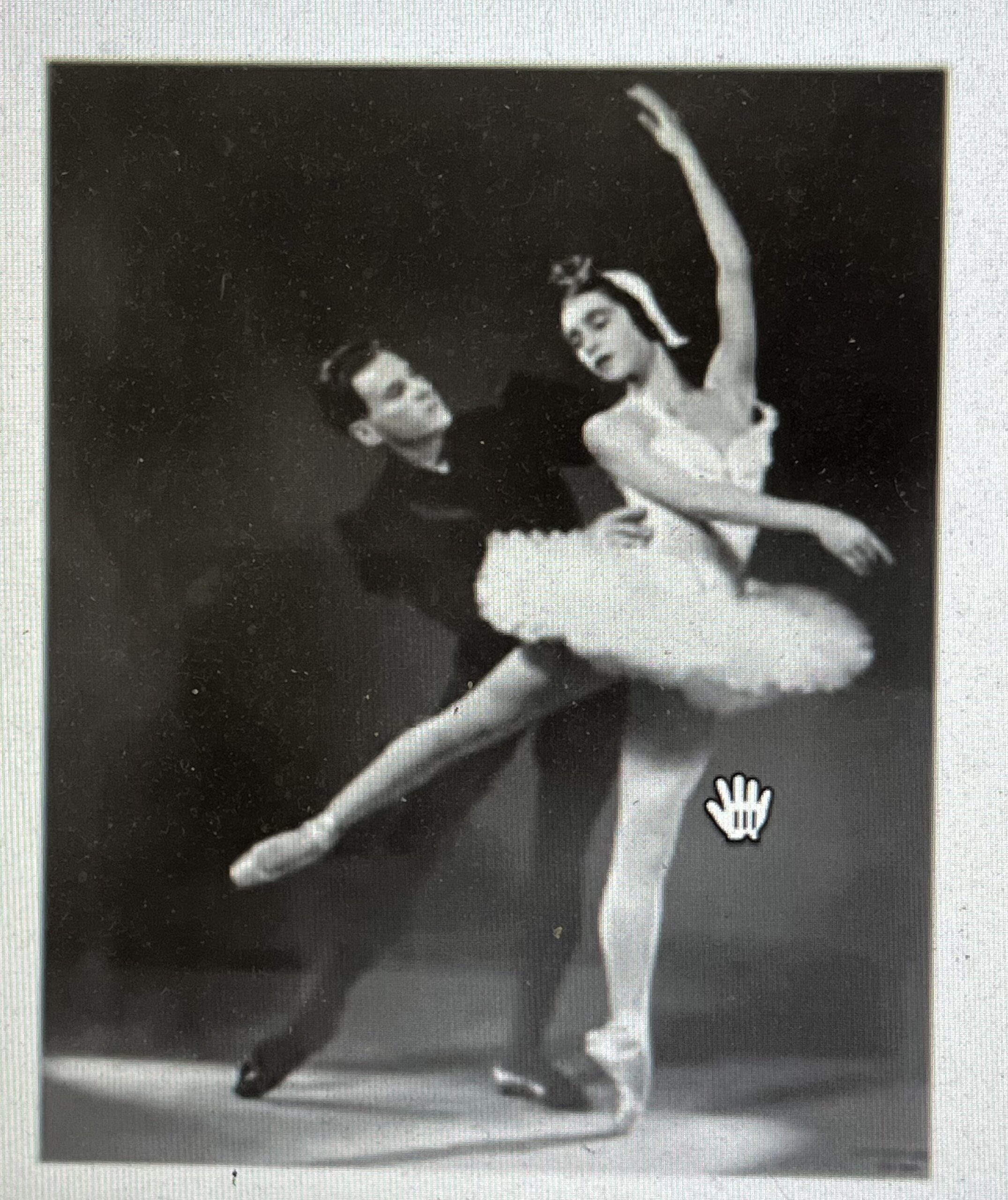
Nobody’s perfect.
When I look at my potato image in the mirror, I decide that when I don’t wear all black, I look less potatoey. But who cares, anyway? Who doesn’t love a potato? I prefer them baked with a crispy skin and butter, maybe a little cheese on top. Suzanne loved my potato body and when I lost weight she missed having more to hug. I embrace the potato that I am for now.
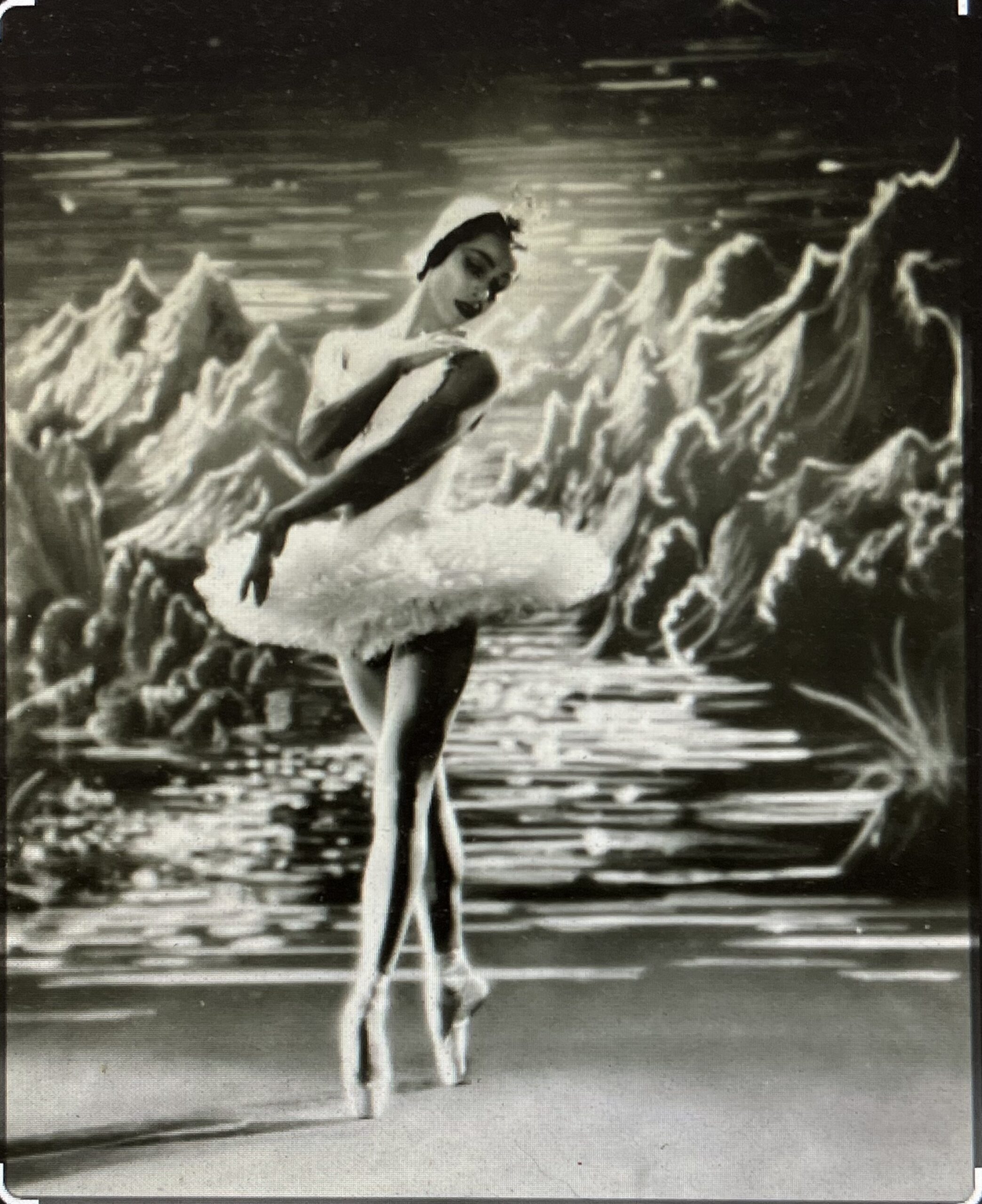
I think about my daughter Lisa, who loved ballet so much. I think about how she practiced with her point shoes in my tiny NYC apartment in those few months before she died. One leap was all she had room for! Then, she would turn around and leap in the other direction. I feel her with me as I return to this dance that connects me with my past and lets me flow in the now.
Beautiful, Roberta!
Thanks, Eleanor
Love reading about the ballet journey. thanks for sharing. I love potatoes too.
Awww thanks!